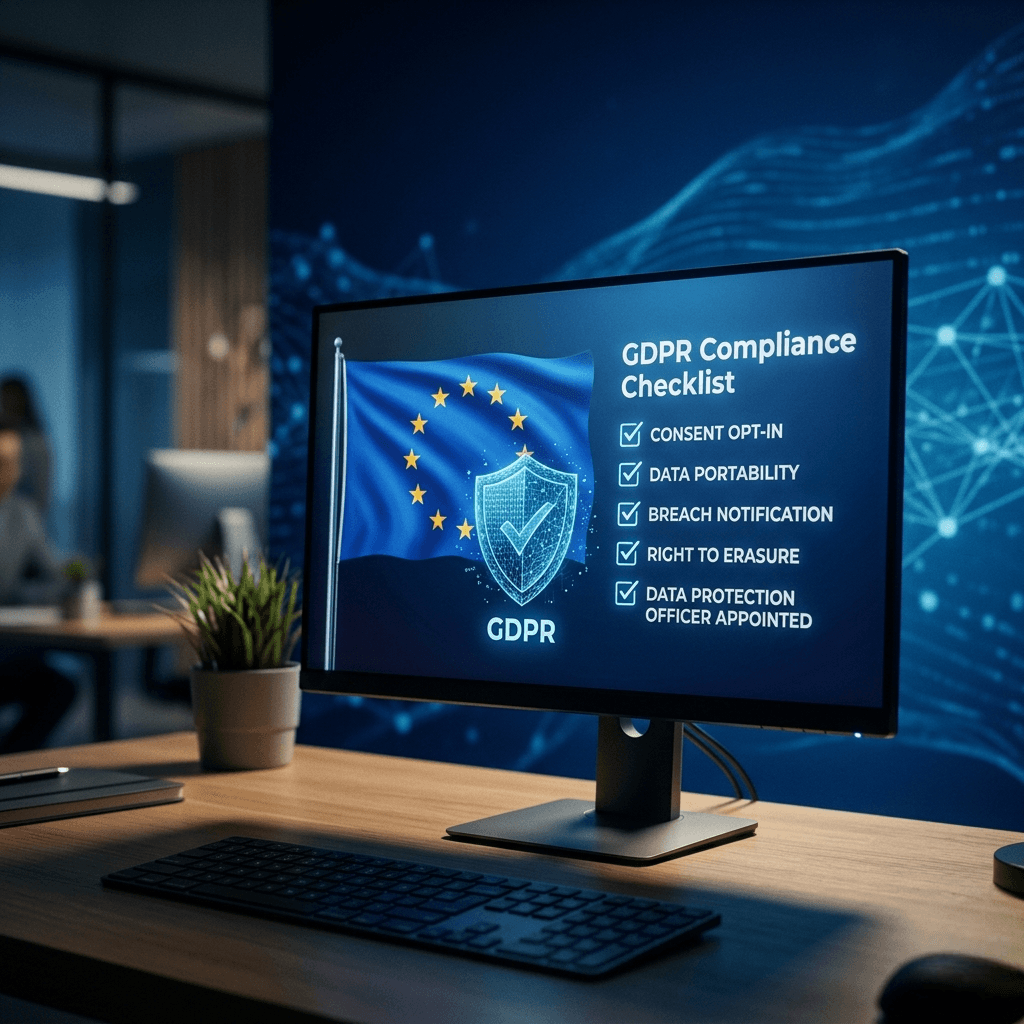

GDPR Compliance Made Easy for Small Businesses (Complete Guide)
Data privacy is no longer just a concern for large corporations. Today, even small businesses are expected to follow strict data protection regulations, especially if they serve users in the European Union. One of the most important regulations in this space is the General Data Protection Regulation (GDPR).
Many small business owners assume GDPR does not apply to them. However, if your website collects data from EU users — even something as simple as email addresses or cookies — you are required to comply.
The good news is that GDPR compliance does not have to be complicated or expensive if you follow a structured approach.
What is GDPR?
GDPR is a data protection law introduced by the European Union to give individuals more control over their personal data. It requires businesses to be transparent about how they collect, use, and store user information.
The regulation applies to any business that:
- Operates in the EU
- Offers services to EU users
- Tracks or monitors EU user behavior
This means even small startups outside Europe must comply if they have international users.
Why GDPR Compliance Matters
Legal Protection
Non-compliance can result in heavy fines, sometimes reaching millions of euros depending on the severity of the violation.
Customer Trust
Users are more likely to trust businesses that clearly respect and protect their data.
Business Growth
Compliance ensures smoother partnerships with global platforms and reduces risks when scaling internationally.
Key GDPR Principles
- Transparency: Inform users about data usage
- Data Minimization: Collect only necessary data
- Security: Protect data from breaches
- User Rights: Allow access, correction, and deletion
Steps to Achieve GDPR Compliance
1. Audit Your Data Collection
Identify all points where user data is collected — forms, analytics, cookies, payments.
2. Update Your Privacy Policy
Your privacy policy must clearly explain how data is handled and include GDPR-specific clauses.
3. Implement Consent Mechanisms
Users must actively consent to data collection, especially for cookies and marketing.
4. Secure User Data
Use encryption, secure servers, and access control to protect sensitive information.
5. Provide User Control
Allow users to request data access or deletion.
Common Mistakes to Avoid
- Using vague or incomplete privacy policies
- Collecting unnecessary data
- Ignoring cookie consent
- Not updating policies regularly
How a Policy Generator Helps
Creating GDPR-compliant documents manually can be difficult. A policy generator simplifies this by ensuring all required clauses are included and properly structured.
Final Thoughts
GDPR compliance may seem complex, but with the right approach, it becomes manageable. Small businesses that prioritize data protection gain a competitive advantage and build stronger trust with users.
Start early, stay transparent, and use the right tools to simplify compliance.